Dish guide
What Is Attiéké? Ivory Coast's Fermented Cassava Couscous
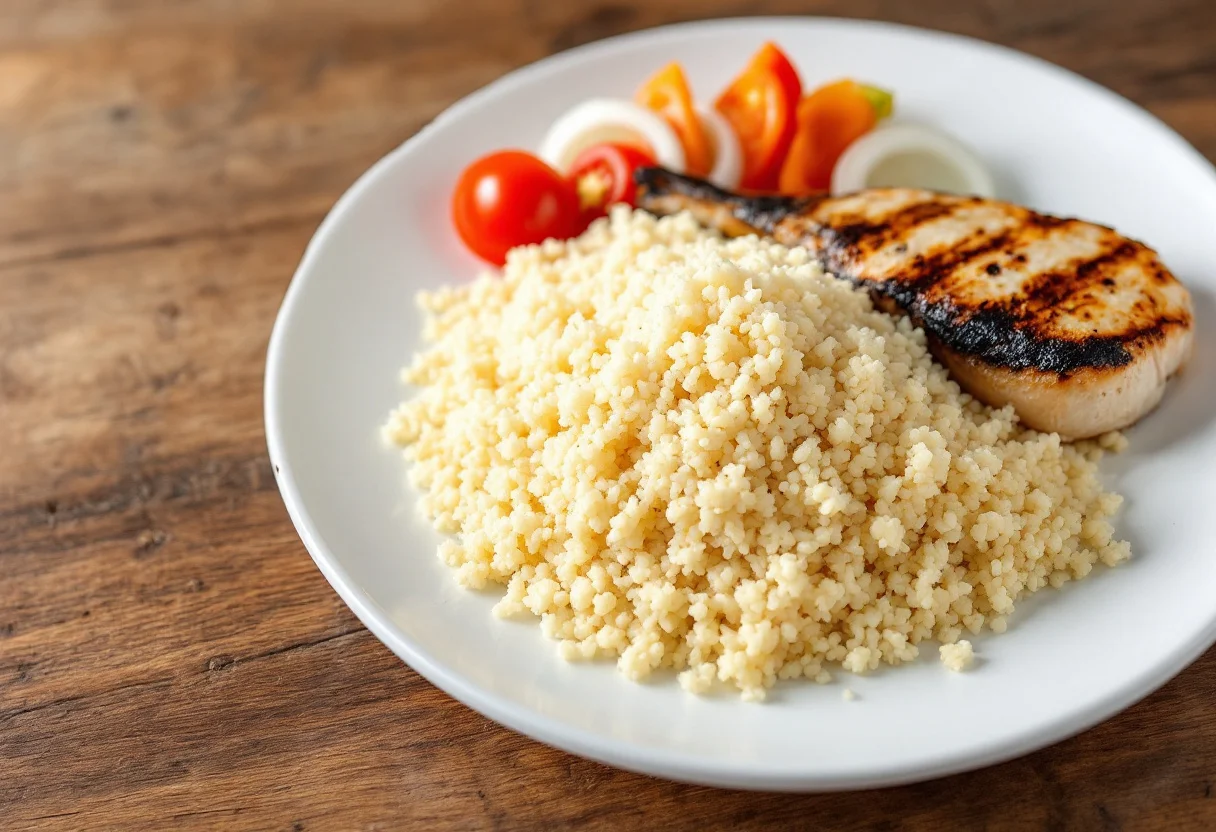
Attiéké is a fermented cassava side dish from Côte d’Ivoire, served as soft, slightly tangy granules that look a lot like couscous. The name comes from the Tchaman (also called Ebrié) people of the southern Ivorian lagoons, who have made it for many generations. Cooks peel and grate fresh cassava root, let it ferment with a starter, then steam it until each grain turns light and fluffy. It pairs with almost any grilled fish or meat, and you will find it sold everywhere, from busy roadside stalls to quiet family kitchens.
A short history
Cassava itself is not native to West Africa. Portuguese traders carried it from South America to the continent’s Atlantic coasts several centuries ago, and farmers slowly worked the hardy root into local cooking. In Côte d’Ivoire, the Tchaman and other lagoon peoples turned that starchy crop into attiéké, a dish now tied closely to Ivorian identity and pride. For a long time it was mostly homemade, prepared by women who carefully guarded their fermentation know-how and passed it down at home. Today the dish travels far beyond its birthplace, eaten across West Africa and in diaspora kitchens around the world. In 2024, UNESCO added the knowledge and practices around making attiéké to its list of intangible cultural heritage.
What’s in it?
At its heart, attiéké needs just one main ingredient: cassava. Cooks peel and grate the root, then mix in a small amount of fermented cassava paste that works like a sourdough starter. After resting overnight, the mash is pressed to squeeze out liquid, broken into fine grains, and gently steamed. The result is pale, fluffy, and pleasantly sour. Grain size varies by region and by maker: some prefer it very fine, others a little coarser. Beyond the cassava and its starter, only salt and a touch of oil are common additions, which keeps the flavor clean and mild.
How do you eat it?
Attiéké almost never stars alone; it is the calm, mild base for bolder food on the plate. The classic pairing is grilled or fried fish, often topped with a fresh salsa of chopped tomato, onion, and chilli spooned over everything. Many people add a hard-boiled egg, a few slices of fried plantain, or a generous squeeze of lime. You can eat it with a fork or, just as often, with your hands, scooping up grains alongside each bite of fish. It suits any meal, from a quick lunch at a roadside spot to a long, lazy family dinner shared from one big communal bowl.
Could this be tomorrow's mystery dish?
Play today's Dishle and find out.