Dish guide
What Is Mangú? The Dominican Breakfast Mash
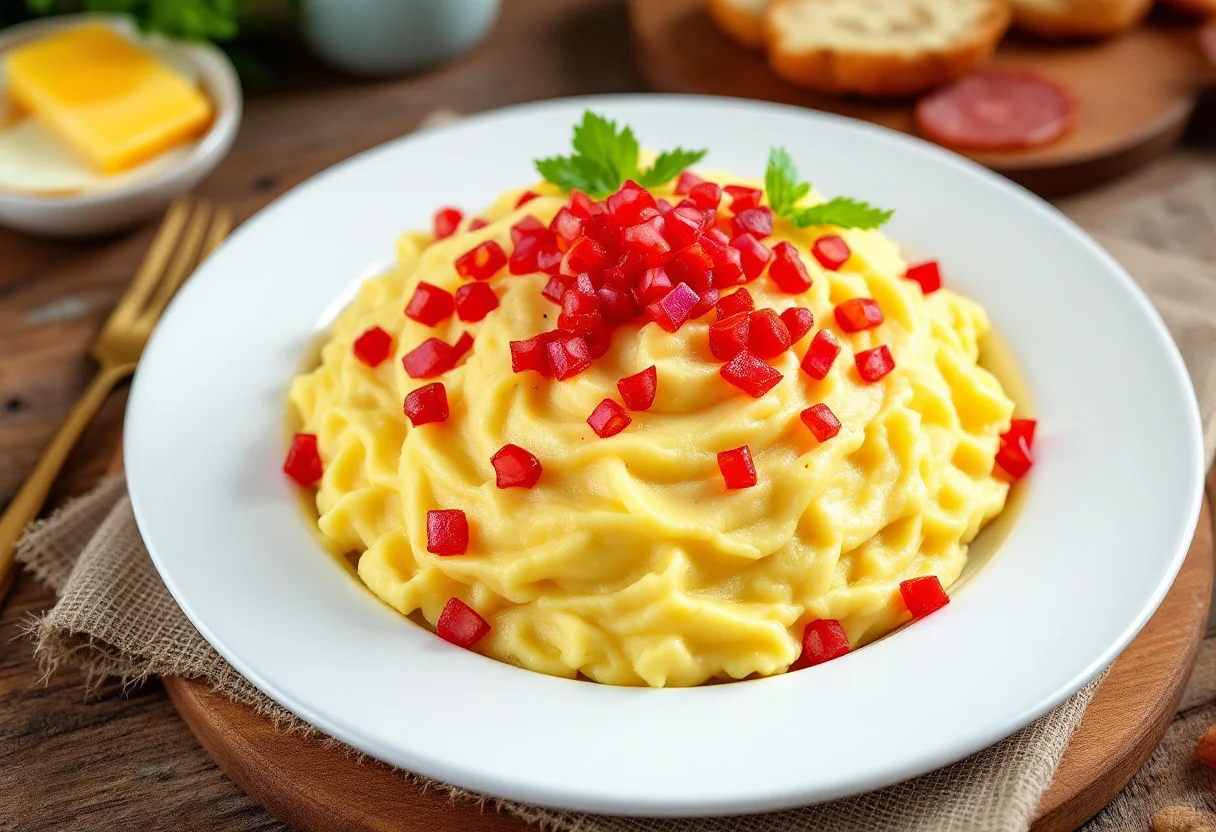
Mangú is a Dominican breakfast staple made from green plantains that are boiled until tender, then mashed into a smooth, savory purée loosened with a little of their warm cooking water. The texture sits somewhere between mashed potatoes and polenta, but the flavor is all its own. The name’s roots are debated: some linguists trace it to West African words for pounded starchy dishes, while a beloved local legend offers a much cheekier origin involving a hungry foreign visitor.
A short history
Plantains crossed the Atlantic during centuries of forced migration, and so did the techniques for cooking them. Enslaved West Africans brought the practice of boiling and pounding starchy staples (close cousins of fufu), and those methods took root on the island of Hispaniola. Over generations the mashed-plantain dish became mangú, a humble morning meal that stretched simple ingredients into something filling and dependable. The playful story says a foreign soldier tasted it and blurted “man, good!” and the words supposedly stuck. Most linguists wave this off as folklore and point to African roots instead, but Dominicans still pass the tale around with a grin, and it surfaces in kitchens far beyond the island wherever the diaspora has settled.
What’s in it?
At its core, mangú needs only green, unripe plantains, water, salt, and a little oil or butter. The plantains are peeled, boiled, then mashed while hot, with some of the warm cooking liquid worked in to keep the texture silky. A splash of cold water is sometimes added to firm it up. The crowning touch is a heap of red onions, sliced thin and lightly pickled in vinegar until soft and tangy. Some cooks fold in butter for extra richness; others keep it plain and let the bright onions do the talking.
How do you eat it?
Mangú is breakfast food, and it rarely shows up alone. The classic plate is called “los tres golpes” (the three hits), pairing the plantain mash with fried Dominican salami, fried cheese, and eggs. You eat it with a fork, scooping a little of everything into each bite so the salty, creamy, and tangy notes land together. A cup of strong coffee usually sits alongside, and the meal can carry someone clear through to the afternoon. Leftover mangú reheats nicely with a little water beaten back in, and plenty of families happily eat it for dinner too, proving it never really clocks out.
Could this be tomorrow's mystery dish?
Play today's Dishle and find out.