Dish guide
What Is Pepián? Guatemala's Toasted-Seed Stew
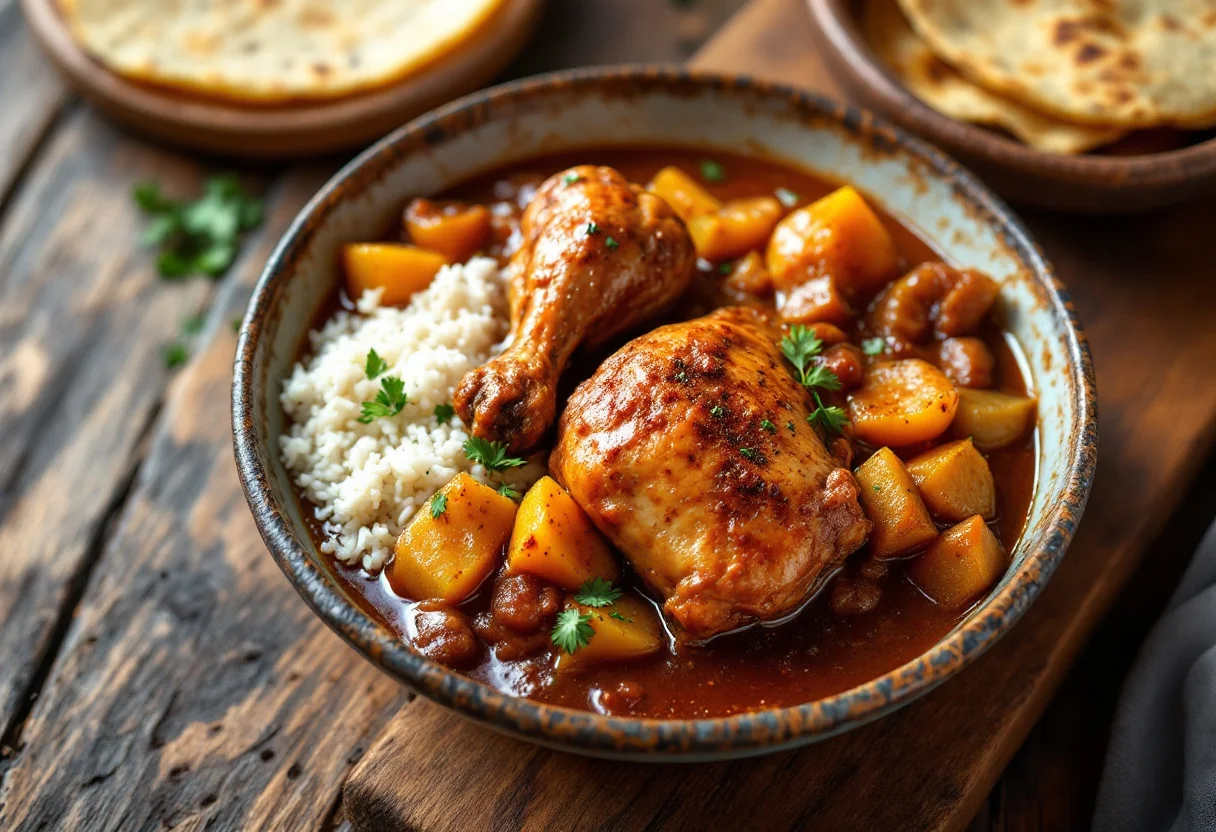
Pepián is a hearty Guatemalan stew of meat and vegetables simmered in a thick, brick-colored sauce built from toasted seeds, dried chiles, and warm spices. It is often called Guatemala’s oldest dish, with roots in Maya kitchens that predate Spanish arrival. The name is widely linked to the ground pumpkin and sesame seeds that give the sauce its body, a cousin of the seed-thickened pipián sauces found across Mexico and Central America. Few foods capture Guatemalan home cooking as fully, or taste as comforting.
A short history
Pepián is widely considered one of Guatemala’s oldest recorded dishes, tracing back to the Maya, who ground toasted squash seeds and chiles into thick sauces long before European contact. After the Spanish arrived in the 1500s, cooks folded in new ingredients: chicken, beef, and pork joined the pot, along with spices that traveled the trade routes. The result is a true blend of two food worlds. Today pepián is most closely tied to the highland town of Antigua and the surrounding region, where families pass down their own versions. In 2007 Guatemala named it part of the country’s intangible cultural heritage. Recipes still vary from one kitchen to the next, but the toasted-seed base stays constant.
What’s in it?
The heart of pepián is its sauce. Cooks toast pumpkin (pepita) and sesame seeds in a dry pan, then grind them with dried chiles like guajillo and pasilla, plus tomato, tomatillo, garlic, and warm spices such as cinnamon and clove. Charring the vegetables over an open flame deepens the color and flavor. The protein is usually chicken, but beef or pork show up too. Potatoes, carrots, and güisquil (chayote) round out the pot, soaking up the thick, nutty gravy. Every cook guards their own balance of seeds and chiles, so no two pots taste exactly alike.
How do you eat it?
Pepián is comfort food for special days: birthdays, weddings, and Sunday family meals. It arrives hot and brothy in a deep bowl, the meat half-submerged in sauce. Most people serve it with rice and warm corn tortillas, which double as edible spoons for scooping up the gravy. A squeeze of lime brightens each bite. The dish rewards slow eating and good company; many Guatemalans say it tastes even better the next day, once the flavors have had a night to settle and deepen. Leftovers reheat beautifully into a quick, satisfying lunch.
Could this be tomorrow's mystery dish?
Play today's Dishle and find out.